


Securing the necessary capital is often the make-or-break factor for a burgeoning startup.
The dream of innovation and market disruption can quickly become a frustrating reality when loan applications are met with a “Did Not Qualify” (DNQ) notification.
While the reasons for denial can seem opaque, understanding the common pitfalls—particularly concerning collections, debt-to-income ratio (DTI), and the overall financial picture—is the first step toward navigating these challenges.
This article will demystify why startup loan applications get denied.
It will shine a light on critical eligibility criteria that are frequently overlooked.
It will also provide actionable fixes that work to improve your chances of securing the capital you need.
Launching a startup is an ambitious endeavor, often requiring significant capital infusion.
For many entrepreneurs, loans represent a crucial borrowing option to fuel growth, purchase equipment, or manage operational costs.
However, the lending landscape can be unforgiving.
Across all business loan applications, approximately 21% were denied in 2024, a figure that remains consistently high from the previous year.
This statistic underscores the competitive nature of startup financing.
It also highlights the importance of a robust and well-prepared application.
The initial sting of a denial can be disheartening, leading to feelings of confusion and inadequacy.
Yet, a DNQ notification isn’t an endpoint; it’s a diagnostic opportunity.
By dissecting the common reasons for rejection, founders can gain invaluable insights into what lenders are looking for.
More importantly, they can understand how to address the underlying issues that led to the denial.
The goal is to transform a “no” into a “not yet,” armed with a clearer understanding of the eligibility criteria.
It also involves having a strategic plan for improvement.
Lenders view a founder’s personal financial health as a proxy for business risk, with these three factors being the most common reasons for denial.
Lenders view a founder’s personal financial health as a proxy for business risk.
Key red flags can immediately disqualify an application.
Lenders meticulously assess various aspects of an applicant’s financial health and business viability before approving a loan.
For startups, whose operational histories are often minimal or non-existent, these eligibility criteria are scrutinized even more closely.
Understanding these fundamental requirements is paramount to a successful application.
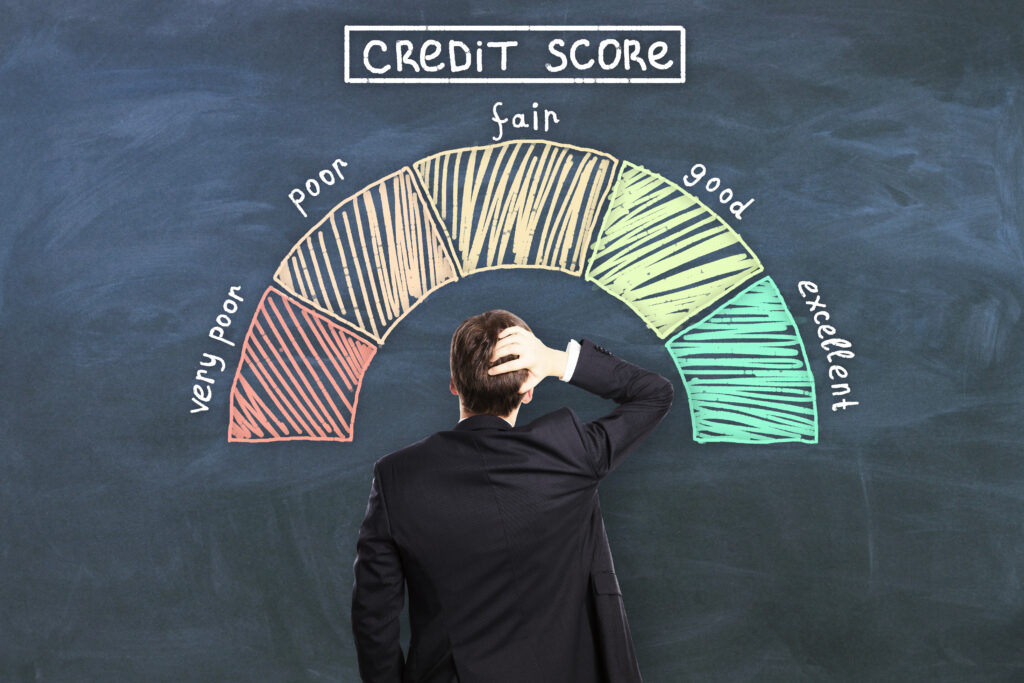
For startups, the founder’s personal credit history often serves as a proxy for the business’s creditworthiness.
Lenders rely heavily on your credit score to gauge your reliability in managing financial obligations.
A low score can immediately signal a higher risk.
This makes it difficult to qualify for favorable loan terms, or any loan at all.
Factors contributing to a poor credit score include late payments, high credit utilization on Credit Cards, and outstanding debts.
According to the Federal Reserve’s 2025 Small Business Credit Survey, low personal credit scores were cited by 45% of denied or partially funded applicants as the reason for their outcome [Crestmont Capital, 2026].
A significant red flag for lenders is the presence of past collections.
When accounts go to collections, it indicates a failure to meet payment obligations.
This can remain on your credit report for years.
It can significantly damage your financial picture.
Even if these debts are eventually settled, their impact is long-lasting.
It signals a pattern of financial difficulty.
The credit score acts as a crucial indicator of your financial discipline.
Without a respectable score, your ability to secure startup funding is severely limited.
The debt-to-income ratio (DTI) is a key metric lenders use to assess your capacity to manage monthly payments.
It compares your total monthly debt obligations to your gross monthly income.
A high DTI suggests that a significant portion of your income is already committed to existing debts.
This leaves less room for new loan payments.
While standard DTI benchmarks exist for mortgages (often around 36% for approval and up to 43% or 50% for maximum qualification), these principles translate to business loans.
This is especially true for founders who are personally guaranteeing the debt or whose personal finances are intertwined with the startup’s.
For pre-revenue or early-stage startups, the DTI calculation often defaults to the founder’s personal DTI.
If you have substantial personal debt from student loans, mortgages, or other Credit Cards, your DTI might be too high for a lender to approve a new loan.
Imagine trying to balance fixing dinner (essential living expenses) with purchasing a new technological device (a business investment).
If the former consumes nearly all your resources, there’s little capacity for the latter.
Maintaining a healthy DTI demonstrates your financial flexibility.
It also shows your ability to absorb new debt.
Lenders don’t just look at isolated numbers; they assess your entire financial picture. This involves a comprehensive review of your financial history, current standing, and future projections. For startups, this includes:
A strong financial picture demonstrates foresight, planning, and a realistic understanding of business operations. It encompasses not just your creditworthiness but also your operational efficiency and strategic acumen.
Beyond the obvious financial metrics, several deeper, systemic issues can contribute to a startup loan application’s denial. Identifying these root causes is crucial for implementing effective long-term solutions.
Often, denial isn’t due to a single misstep but rather a systemic structure of financial instability or operational inefficiency.
This can manifest in various ways, such as inconsistent financial management practices or a lack of clear strategic direction.
Sometimes, a founder can fall into a hero-scapegoat cycle.
They either overcommit and try to do everything themselves.
This leads to burnout and errors.
Or they blame external factors for persistent financial struggles.
They do this without addressing their own role in the challenges.
Understanding these patterns is key to breaking them.
It also helps in building a more resilient financial framework.
A weak or unrealistic business plan is a significant barrier to funding. Lenders scrutinize plans for:
Honesty and transparency are paramount when applying for a loan.
Attempting to “paper over the cracks” by hiding or downplaying negative aspects of your financial history or business operations is a surefire way to get denied.
This includes failing to disclose past collections, significant personal debts, or business failures.
Lenders are adept at uncovering discrepancies through due diligence.
Furthermore, inadequate planning for unforeseen expenses can be a critical flaw.
Startups are inherently unpredictable.
Failing to include a contingency plan or buffer for unexpected costs demonstrates a lack of foresight and risk management.
This can be as fundamental as failing to account for basic maintenance.
It is akin to ignoring leaky faucets or a leaking roof until the damage is extensive.
Similarly, ignoring minor issues like sticking doors or squeaky doors can indicate a broader lack of attention to detail.
This can extend to financial matters.
A loan denial is not the end of the road. By taking a proactive and strategic approach, startups can address the underlying issues and significantly improve their chances of approval.
The most impactful solutions address the core reasons for denial, focusing on strengthening your financial picture.
Sometimes, understanding complex financial or operational issues can be simplified through analogies. Think of your startup’s financial health like a house needing repairs.
While DIY repairs are admirable and can save costs, some issues require professional intervention. For complex financial challenges, attempting to fix everything yourself can sometimes exacerbate the problem.
Receiving a denial isn’t the end of your funding journey. It’s an opportunity to learn and adapt.
Navigating the world of startup loans can feel like an uphill battle.
Denial notifications are an unwelcome but common part of the process.
The primary reasons for denial often stem from fundamental issues within a startup’s financial picture.
These include a low credit score, the presence of collections, and a high debt-to-income ratio.
However, by understanding these eligibility criteria and delving deeper to uncover the underlying issue, startups can implement effective fixes that work.
From diligently managing Credit Cards and resolving past debts to meticulously crafting realistic business plans and exploring all borrowing options, every step taken to strengthen your financial foundation and operational efficiency increases your chances of success.
Remember, the goal is not just to get a loan.
It is to build a resilient financial structure that supports sustainable growth.
Whether it’s reinforcing your metaphorical “foundation” by fixing those pieces of wood in your personal finances or clearing the “clogged drain” of past debts, a proactive and informed approach empowers your startup’s financial journey.
It’s about more than just passing a credit check.
It is about demonstrating a solid, trustworthy financial picture ready for investment.


Subscribe for our monthly newsletter to stay updated.

Received a funding plan but not moving forward? Learn why borrowers hesitate, what it really costs to wait, and how to confidently decide your next step.

Concerned about startup loan fees? Learn how to evaluate costs, understand what you’re paying for, and decide if the funding is worth it.
Learn how to get a startup loan without collateral, what lenders evaluate, and how to prepare your finances to improve your chances of approval.