
Starting a business is an exhilarating pursuit, and securing the essential funding through a Business Loan is often a pivotal moment. Aspiring entrepreneurs with credit problems may find it hard to get startup money. These problems include late loan payments, collection agency involvement, and bankruptcy. Many assume that any negative mark on their credit reports permanently disqualifies them. While credit challenges undoubtedly complicate the process, they do not have to be the end of your entrepreneurial journey. Lenders look at more than a single credit score. They check financial behavior patterns, recent bad events, and proof of steady improvement and financial discipline. Understanding precisely how long these issues linger and what steps can accelerate your readiness is key to unlocking the capital you need.
Lenders analyze the recency and frequency of credit issues. An old, isolated problem followed by a long history of positive behavior is viewed more favorably than recent, recurring issues.
When a lender looks at a loan application, especially for a small business loan, they do not just use a credit score number. Instead, they conduct a thorough examination of your credit reports and credit scores to understand your financial history and predict your future propensity to repay. A credit score offers a snapshot, but the underlying patterns revealed in your reports tell a more complete story about your financial habits. Lenders are inherently risk-averse, and their primary concern is mitigating the risk of default. They carefully check negative marks like repeated late loan payments, very high credit use, missed payments, bankruptcies, and accounts sent to collection agencies.
However, the recency and frequency of these negative events are paramount in a lender’s evaluation. A single old problem is seen more positively if you have a strong history of on-time payments and good money management. This is better than having many recent late payments. The critical question lenders seek to answer is whether past financial difficulties were isolated events or indicative of ongoing struggles. If credit damage happened years ago and your recent financial actions show stability and responsibility, lenders will likely view your application better. This is more favorable than for someone with current credit problems. They look at your full financial situation. They check if you are improving and if you keep up with your financial promises.
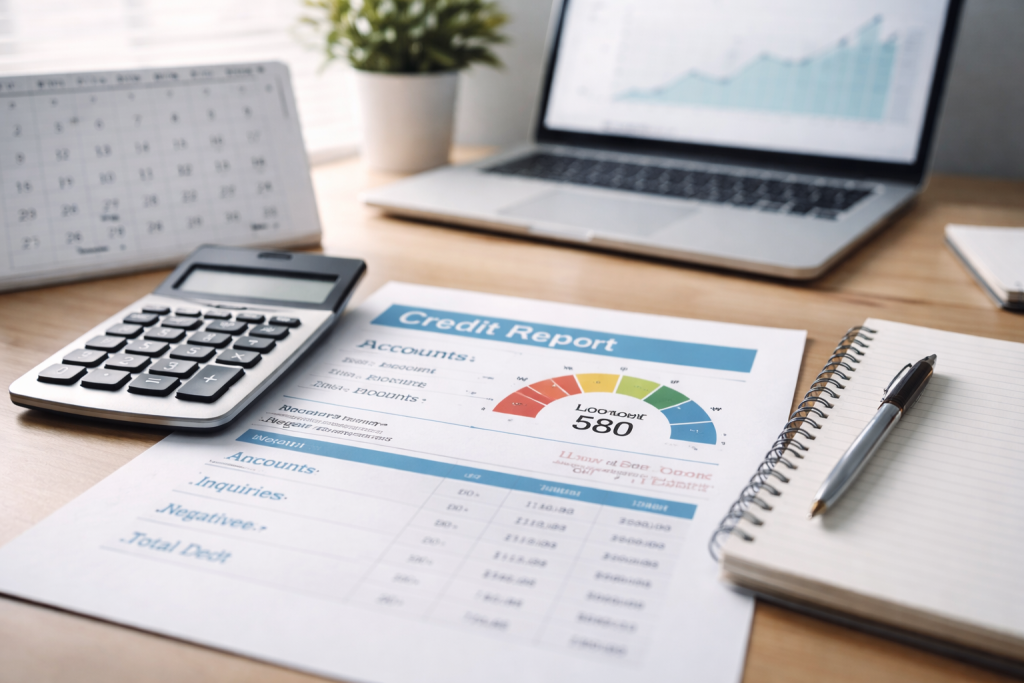
The impact of negative credit events on your ability to secure a startup loan is not static; it diminishes over time as more positive financial history is established. Severe events like bankruptcy have a longer-lasting effect. Consistent positive financial behavior can improve a lender’s view within a few years. The impact of credit damage on your eligibility for a startup loan isn’t uniform. The seriousness and type of negative mark on your credit report affect how long lenders check your application. They also affect the loan terms they offer. There are general rules, but lenders care more about if your financial behavior is getting better and your overall financial situation than just how much time has passed.
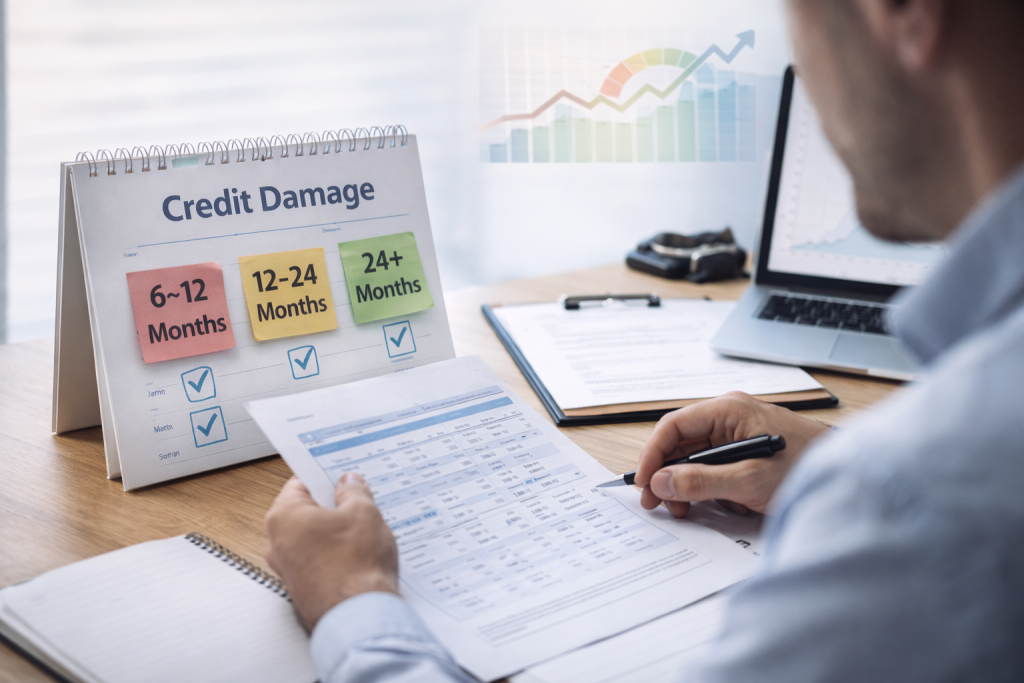
Late loan payments commonly damage credit and can lower your score, but their impact lessens over time. A single late payment from years ago, quickly fixed and followed by on-time payments, affects your score less than recent multiple late payments. Negative marks, including late payments, stay on credit reports for up to seven years, per Equifax, Experian, and TransUnion. Their effect decreases with each month of timely payments. Lenders, especially for Business Loans, focus on payment history from the last 12-24 months. Showing consistent on-time payments improves your chances, even if you worked with collection agencies before.
When debt becomes very overdue, creditors may send it to collection agencies or charge it off, both harming your credit score and staying on reports for up to seven years. A charge-off means the creditor gave up collecting the debt; a collection account means another agency tries to recover it. Lenders reviewing startup loan applications check these accounts. Paying off debts by negotiating with collection agencies and making on-time payments for 12-24 months improves your chances. Showing these issues are past and managing finances well is key.
Bankruptcy severely damages credit and lasts long. Chapter 7 bankruptcy stays on credit reports for up to 10 years; Chapter 13 for seven years. Lenders often hesitate to approve loans for recent bankruptcies. Entrepreneurs with strong business plans can get startup loans one or two years after discharge. They do this by showing they have recovered financially. This includes new good credit history and steady cash flow. Lenders want proof you’ve learned from past mistakes and rebuilt your finances.
The time it takes to get a startup loan after credit problems is not fixed. It depends on showing steady stability and improvement. Negative marks can stay on your credit reports for years. However, your chance to get financing depends mostly on your current financial actions and if your credit scores are going up. Lenders focus on clear proof of responsible financial management and positive progress. They do not just look at the absence of old negative marks.
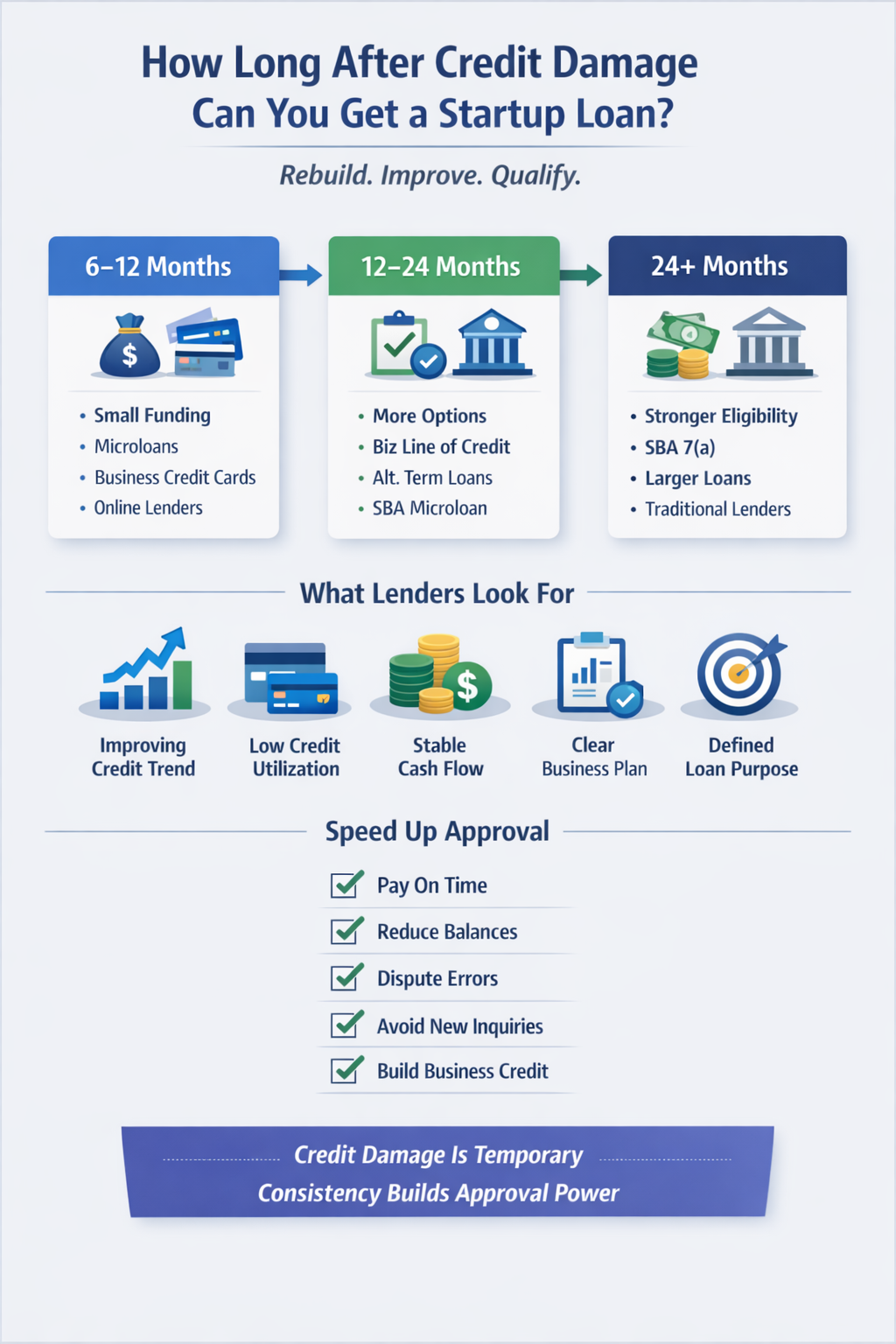
Once you have consistently demonstrated positive financial behavior, such as making all loan payments on time for a period of six to twelve months, you may begin to qualify for certain types of smaller funding. This could include business credit cards, small business loans from online lenders, or SBA microloans. During this phase, lenders are looking for signs of improvement rather than perfection. Your efforts to manage existing debts and maintain a lower credit utilization ratio become particularly important. This period is about establishing a foundation of reliability, showing lenders that you can consistently meet your financial obligations.
With one to two years of sustained financial discipline, including consistent on-time loan payments, more significant financing options become accessible. This can include business line of credit options, alternative term Business Loans, and potentially some SBA loan programs. At this stage, lenders will review your credit reports and cash flow statements more thoroughly. You should provide strong documents about your business’s financial health. Include detailed projections and proof of steady cash flow. This will increase your chances of approval. Lenders begin to view your past credit issues as resolved challenges rather than current risks.
If you have maintained a period of clean financial behavior for two years or more, you may become eligible for larger startup loan programs, including more traditional financing options. Your credit scores should have improved considerably, and your overall financial situation will appear much stronger. At this stage, past credit damage is often viewed as a historical event that has been successfully overcome. Lenders focus on your business plan, expected cash flow, and ability to handle the new loan. This makes your application similar to someone without credit problems. Lenders focus on your business plan, expected cash flow, and ability to handle the new loan. This makes your application similar to someone without credit problems.
While time is a crucial factor in the longevity of negative marks on your credit reports, what truly matters most to lenders is the demonstrated trend in your financial behavior. A credit score that keeps getting better and a steady financial outlook are much more convincing than just waiting for an old negative mark to go away. Lenders evaluate a holistic picture, including:
You cannot erase past credit damage quickly. But you can speed up becoming ready for a loan by taking active steps to improve your finances. These actions not only help rebuild your credit score but also demonstrate your commitment to financial responsibility to potential lenders.
Your credit utilization ratio is the amount of credit you are using compared to your total available credit. High utilization can significantly drag down your credit score, signaling to lenders that you may be overextended. Aim to keep your balances well below 30% of your credit limit across all your credit cards and business credit cards. If you have existing balances, focus on paying them down aggressively. This is a powerful way to boost your credit score quickly and reduce perceived risk for lenders reviewing your credit reports.
Every time you apply for new credit, it results in a “hard inquiry” on your credit reports, which can temporarily lower your credit score. A few credit checks usually do not hurt. But applying for many credit accounts in a short time before asking for a startup loan can make lenders think you are desperate or risky. Focus on managing your existing credit responsibly and strengthening your profile rather than opening numerous new accounts. Patience during this phase is crucial for a successful loan application.
Mistakes on your credit reports are more common than you might think and can unfairly impact your credit score. Regularly check your personal and business credit reports from all major agencies: Equifax, Experian, and TransUnion. If you find any mistakes, like wrong late payments, accounts that do not belong to you, or old collection information, dispute them right away with the agency involved. Correcting errors can lead to a swift improvement in your credit rating and overall credit score, making you more eligible for a Business Loan. The Consumer Financial Protection Bureau (CFPB) offers resources on how to access and dispute errors on your credit reports. Regularly check your personal and business credit reports from all major agencies: Equifax, Experian, and TransUnion.
Establishing and nurturing your business credit is just as important as maintaining your personal credit, especially when seeking a Business Loan. Open a dedicated business bank account and use it exclusively for business transactions. Obtain a business credit card and use it responsibly for business expenses. Work with vendors and suppliers who report payment history to business credit bureaus like Dun & Bradstreet. Even small positive entries on your business credit report can build trust. They show you can manage financial duties separate from your personal credit. This is important for lenders checking your small business. Even small positive entries on your business credit report can build trust. They show you can manage financial duties separate from your personal credit. This is important for lenders checking your small business.
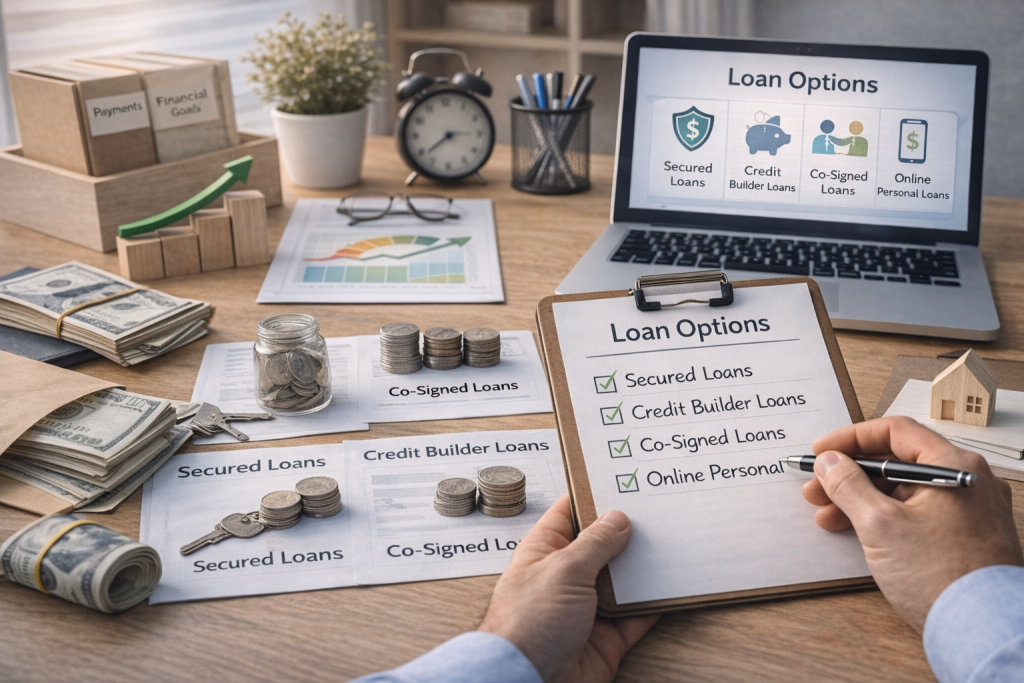
If your credit history is still recovering and your credit score isn’t yet at the level typically required for traditional startup loans, there are still viable funding pathways. These other options can give you the money to start your small business. They also help you build a good payment history. This will make your credit look better over time. SBA loan programs are good options. You should also look at other lenders and secured loans while rebuilding credit. These can give you important funds and help build a positive payment history.
SBA microloans are designed to provide smaller amounts of capital to startups and small businesses that may not qualify for larger loans. A significant advantage of these loans is that they often have more flexible credit standards than traditional loans. While a decent credit score is still considered, lenders place a strong emphasis on the quality of your business plan, your projected cash flow, and your demonstrated ability to manage loan payments. These loans can be an excellent stepping stone for entrepreneurs with damaged credit, offering a chance to prove their financial reliability.
The landscape of business lending has expanded significantly, with numerous online and alternative lenders entering the market. These lenders often have different criteria for assessing risk. Some focus more heavily on your business’s revenue, cash flow statements, and future revenue projections rather than solely relying on your personal credit score. These loans may have higher interest rates or shorter repayment times. They can be very helpful for startups that need money fast and want to build a record of on-time loan payments. Successfully managing these loans can positively impact your business credit score and personal credit reports. Platforms like Clearly Acquired can help businesses demonstrate their financial health and potential to lenders.
If you have personal assets or real estate that you are willing to pledge as collateral, this can significantly reduce the lender’s risk. A secured loan, backed by assets such as equipment, inventory, or personal property, can make it much easier to obtain financing even with a less-than-perfect credit history. Lenders are more willing to extend credit when there is tangible security for the loan. This option can be particularly beneficial for startups looking for a Business Loan, as it demonstrates a commitment and reduces the overall default risks for the lender. You can use your main home as collateral for some home and personal property loans if set up correctly. However, this carries a big risk.
Despite your eagerness to launch your small business, it’s crucial to recognize when it might be too soon to apply for a startup loan. Applying prematurely, especially with significant credit damage, can lead to rejection, which can further harm your credit score through multiple hard inquiries. Lenders will look for several indicators beyond just the passage of time. You might need to wait longer if:
Applying too early can lead to multiple rejections, each resulting in a hard inquiry that can lower your credit score, making your situation more challenging for future loan applications. It’s often more strategic to focus on rebuilding your credit and business fundamentals before seeking financing.
Credit damage, while a significant hurdle, does not represent a permanent barrier to securing a startup loan. The entrepreneurial journey often involves overcoming financial setbacks, and lenders understand this. What matters most to a lender is your demonstrated improvement, your financial discipline, and your preparedness. They are not looking for perfection, but for responsibility and a clear indication that you can realistically meet your loan payments.
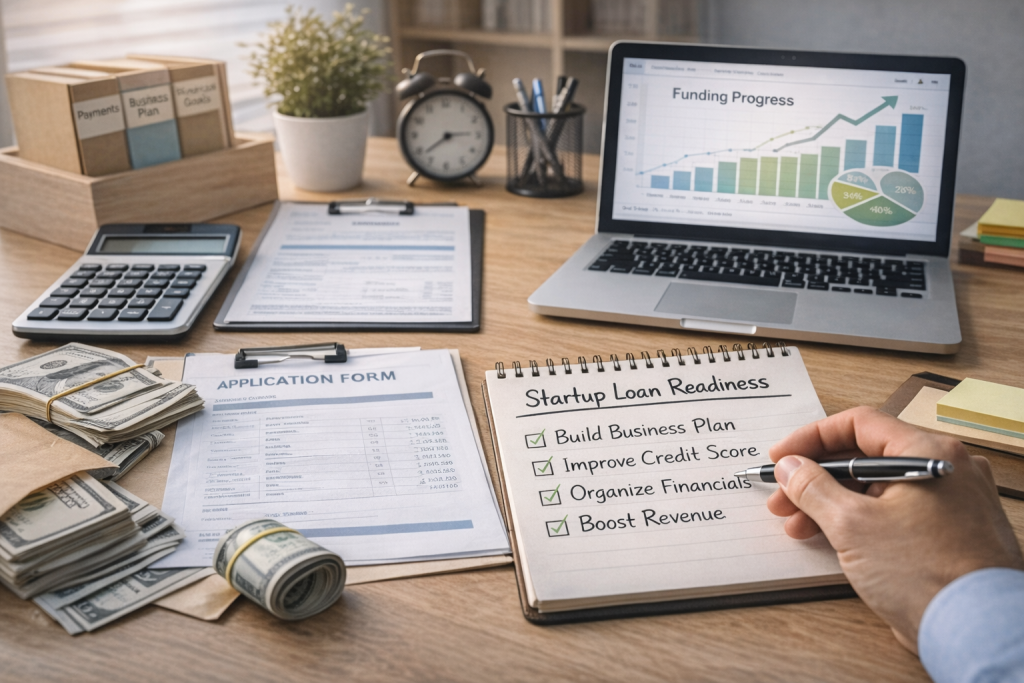
By improving your credit score and showing steady positive financial behavior for 12 to 24 months, you can greatly increase your chances for a Business Loan. Strengthening your business plan, clearly defining your funding needs, and demonstrating stable cash flow are equally critical components. Remember that credit damage does not disqualify you forever. You must show that you are rebuilding credit and managing your finances responsibly. Ultimately, the path to a startup loan after credit damage is about proving that your past does not dictate your future financial success.


Subscribe for our monthly newsletter to stay updated.

Open collections can impact your startup loan approval, but they don’t automatically disqualify you. Learn how lenders evaluate credit history, what matters most, and how to strengthen your application for business financing.

How long after credit damage can you qualify for a startup loan? While late payments, collections, or bankruptcy can impact approval, lenders focus on recovery trends, financial stability, and recent payment behavior. Learn how long different types of credit damage affect your eligibility and what steps you can take to improve your chances of securing startup funding faster.

Taking recent unsecured loans before applying for a startup loan may reduce approval odds, increase interest rates, and lower funding amounts. Learn how credit score impact, debt-to-income ratio, and timing affect your ability to secure business financing.