








When Is the Right Time to Apply for a Startup Loan?

Applying for a startup loan is one of the most important financial decisions a new business owner will make. When done at the right time, funding can accelerate growth, support early operations, and open new opportunities. However, applying too early or too late can lead to rejection, higher costs, or unnecessary financial stress that slows progress instead of helping it.

Timing a startup loan is not about guessing or reacting to pressure. Instead, it is about preparation, clarity, and understanding your business’s financial position. Lenders want to see stability, purpose, and a realistic repayment plan. When those elements are missing, even strong business ideas can struggle to secure funding.

Many founders rush into loan applications because they feel urgency or fear missing opportunities. Others delay too long, waiting for perfect conditions that may never arrive. Both extremes can limit a business’s potential if not handled carefully.

Knowing when your business is truly ready helps you avoid these pitfalls. It allows you to approach lenders with confidence, improves approval odds, and often leads to better interest rates and terms. This guide explains how to recognize the right moment to apply, what lenders expect, and when waiting is the smarter move.

Why Timing Matters When Applying for a Startup Loan

Timing plays a critical role in whether a startup loan application is approved. Lenders do not only evaluate what you need the money for. They also pay close attention to when you are applying and why now makes sense.

Applying too early can signal uncertainty or poor preparation. Lenders may see an unclear plan, unstable finances, or unrealistic expectations. In contrast, waiting too long can cause missed growth opportunities or force you into emergency borrowing with unfavorable terms.

When you apply at the right time, lenders see a business owner who is organized and realistic. This often leads to lower interest rates, longer repayment periods, and fewer restrictions. Strong timing shows that you understand your cash flow, market, and repayment ability.

Timing also affects your credit profile. Each application may involve a hard inquiry, and repeated denials can damage your score. By waiting until your documents and projections are ready, you protect your credit and expand future funding options.

What Lenders Look for Before Approving a Startup Loan

Before approving a startup loan, lenders focus on risk and repayment ability. Because startups lack long financial histories, lenders rely on indicators that show future stability rather than past performance. Preparation matters far more than how long you have been in business.

One of the first things lenders review is your business plan. A clear and realistic plan explains what your business does, who your customers are, and how revenue will be generated. Lenders want proof that you understand your market, pricing, and operating costs.

Financial projections also matter. Lenders look for numbers that align with your business model and assumptions that make sense. Overly aggressive forecasts can weaken trust, while conservative and logical projections build confidence.

Personal financial strength is another major factor. Since the business is new, lenders often rely on the owner’s personal credit history. According to the U.S. Small Business Administration, personal credit, cash flow projections, and management experience are key factors in startup loan decisions.

Beyond credit scores, lenders assess overall behavior. On-time payments, controlled debt, and consistent financial management signal lower risk. Experience managing operations or finances further improves approval odds.

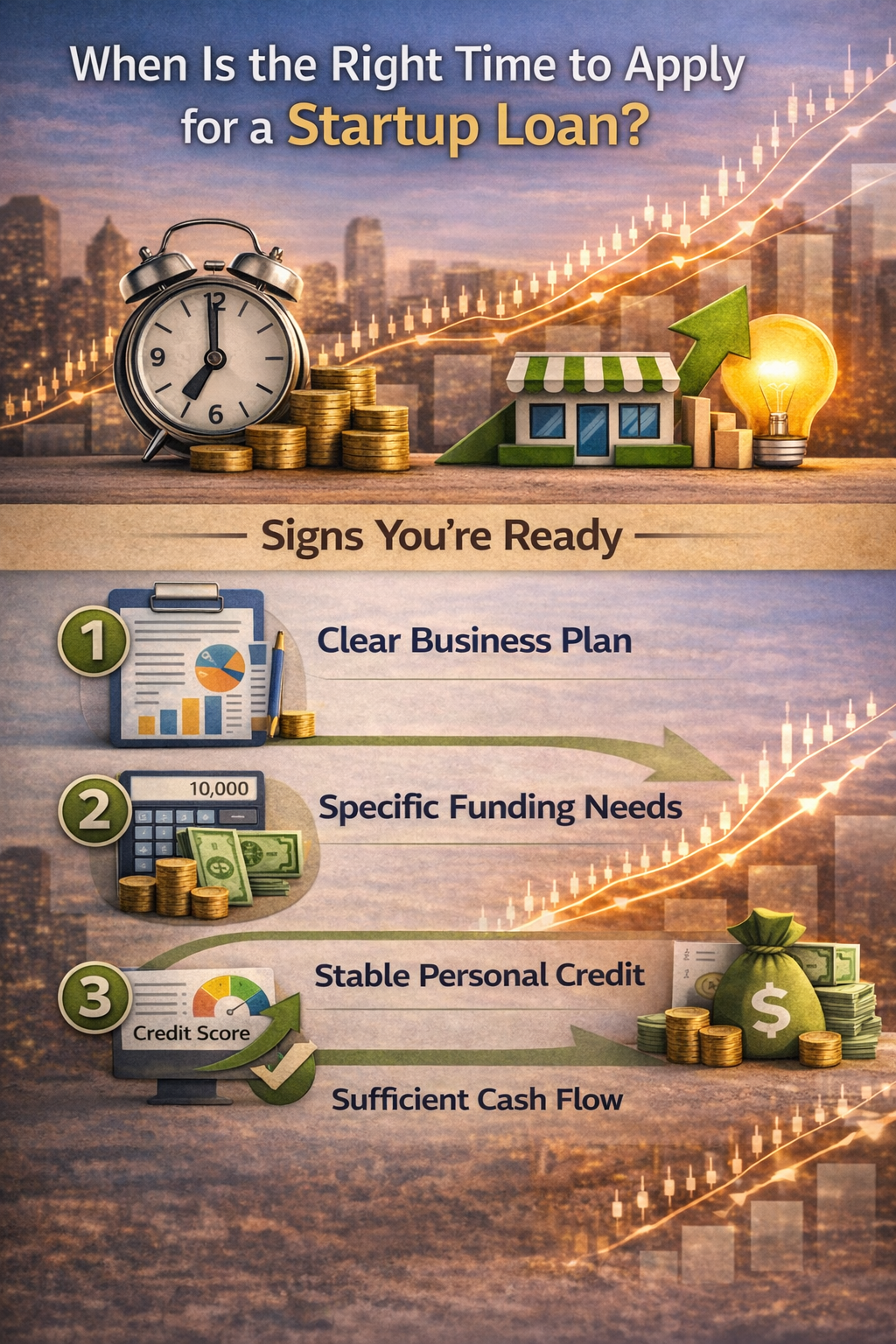
Sign 1: You Have a Clear and Complete Business Plan

A clear and complete business plan is one of the strongest signs you are ready to apply for a startup loan. It shows lenders that your idea is structured, researched, and actionable. Without it, most applications fail early.

Your plan should explain what your business offers, who it serves, and how it makes money. This includes products or services, pricing, and target customers. Lenders want to see real demand and competitive awareness.

Operational details are equally important. Your plan should outline staffing, suppliers, systems, and daily operations. When lenders see realistic execution, confidence increases.

Financial projections complete the picture. These should show expected revenue, expenses, and cash flow. When you can explain your numbers clearly, lenders are more likely to trust your ability to manage borrowed funds.

Sign 2: You Know Exactly How Much Funding You Need

Knowing exactly how much funding you need is another strong indicator of readiness. Applying without a clear number often signals guesswork instead of planning. Lenders prefer applicants who can justify every dollar requested.

Start by listing all startup and early operating expenses. Common costs include equipment, marketing, inventory, payroll, insurance, and working capital. Clear breakdowns make loan requests logical.

Next, explain why each expense matters. Lenders want to see how the funds support operations or revenue. This turns borrowing into a strategy rather than a reaction.

It is also important to avoid overborrowing. Excess debt increases interest costs and strains cash flow. At the same time, borrowing too little can leave your business underfunded and force additional loans later.

Strong applicants connect loan size to repayment ability. When revenue projections support the payment, lenders feel more confident moving forward.

Sign 3: Your Personal Credit Is Stable or Improving

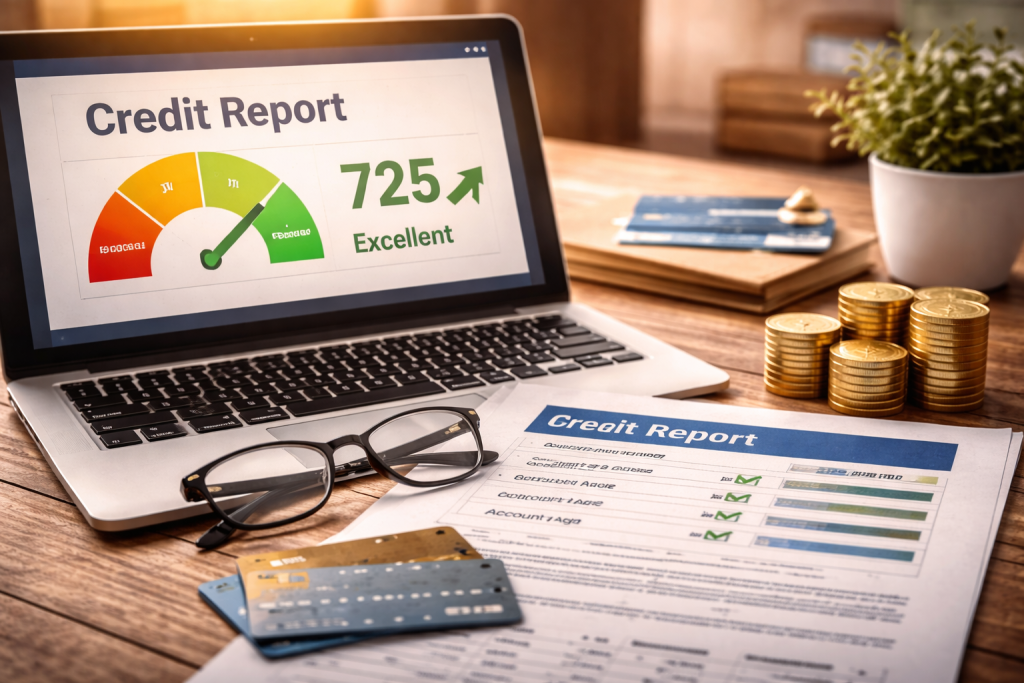
For most startups, personal credit plays a major role in loan approval. Because the business lacks history, lenders use personal credit as a trust signal. Stability matters more than perfection.

While a score of 650 or higher improves approval odds, many lenders accept lower scores if trends are positive. On-time payments and declining balances show discipline and responsibility.

Patterns matter. A slowly improving score signals awareness and effort. A declining score or recent late payments raise concerns.

Before applying, review your credit report carefully. Dispute errors and correct outdated information. Even small improvements can unlock better terms.


Sign 4: Your Cash Flow Can Support Loan Payments

Cash flow is the backbone of loan readiness. Even strong ideas fail when payments strain daily operations. That is why lenders focus heavily on repayment ability.

Review projected income and expenses carefully. Include fixed costs like rent and payroll, plus variable costs such as marketing. Then assess whether loan payments fit comfortably.

If payments would delay payroll or require credit cards to survive, waiting is often smarter. Applying too early increases default risk and credit damage.

On the other hand, loans that support growth can strengthen cash flow. Funding that increases sales capacity or efficiency often pays for itself. In those cases, debt becomes a tool rather than a burden.

When It May Be Too Early to Apply for a Startup Loan

Sometimes, waiting is the best decision. Applying too early can hurt approval chances and credit health. Knowing when not to apply is just as important.

If your business idea is still changing frequently, lenders see instability. Direction and consistency matter more than experimentation.

A weak or incomplete business plan is another warning sign. Without clear revenue and repayment paths, lenders hesitate.

Declining personal credit also signals poor timing. Late payments or rising balances raise red flags and reduce future options.

Unclear loan purpose is another reason to wait. Lenders need to understand exactly how funds support growth or stability.

In many cases, waiting a few months leads to better rates, higher approval odds, and stronger confidence.


Choosing the Right Loan Based on Your Business Stage

The right loan depends on where your business is in its lifecycle. Not all loans fit all stages, and mismatches create risk.

Early-stage startups often benefit from smaller, flexible options. Microloans, credit cards, or limited online loans help cover basic costs while building credit.

As revenue stabilizes, more options open. Lines of credit, term loans, and revenue-based financing align better with growing cash flow.

Businesses showing strong traction may qualify for SBA loans or equipment financing. These options support expansion and offer longer repayment terms.

Matching loan type to business stage reduces stress and improves outcomes.

How Startup Loans USA Helps You Apply at the Right Time

Applying at the right time is easier with expert guidance. Startup Loans USA focuses on readiness, not just approval.

They help founders evaluate credit health, cash flow, and loan purpose before applying. This reduces denials and protects credit scores.

The team also matches founders with suitable lenders and programs. This improves approval odds and loan terms.

By focusing on preparation and strategy, Startup Loans USA supports long-term financial success.


Final Thoughts: Timing Is a Strategy, Not a Guess

The right time to apply for a startup loan comes from preparation, clarity, and discipline. When timing aligns with readiness, funding becomes a growth tool instead of a risk.

Before applying, review your plan, credit, and cash flow carefully. Make sure the loan fits your goals and repayment ability.

Applying when organized and prepared improves approval chances and terms. Lenders reward confidence and consistency.

Startup loans are not just about access to money. They are about building a strong financial foundation. When timing is treated as a strategy, businesses position themselves for sustainable growth and long-term success.

Share this post

Related Posts

Startup Loans

How Long After Credit Damage Can You Get a Startup Loan?

How long after credit damage can you qualify for a startup loan? While late payments, collections, or bankruptcy can impact approval, lenders focus on recovery trends, financial stability, and recent payment behavior. Learn how long different types of credit damage affect your eligibility and what steps you can take to improve your chances of securing startup funding faster.

Read More »