





Startup Loan Document Checklist: What You Need Before Applying

Challenges of Securing Startup Capital

Getting capital is a key moment for any new business. But the loan process is often harder than founders expect.

When you apply for a startup loan, your success often depends on one key factor: the quality and organization of your documents.

By using this application checklist, you can clearly show your financial health. This can improve your chances of approval and help move your application forward more smoothly.

Why Lenders Review Your Financial Documents

Lenders look at your documents to understand your financial stability and readiness for funding.

Your paperwork helps prove your identity, income, business activity, and financial consistency. Organized documents show that you are responsible and prepared.

Incomplete or messy files can create delays and raise concerns during the review process.

Personal Identification Documents

Lenders need proof of identity to verify that you are legally authorized to apply for funding.

Common identification documents are:

  • Government-issued photo ID such as a driver’s license or passport
  • Proof of residency like utility bills or lease agreements
  • Social Security verification or tax ID number
  • Business ownership verification documents

Proof of Income

Lenders need to review your income to understand your ability to manage repayment.

This is especially important during the startup phase when personal and business finances may overlap.

Common income documents include:

  • Personal tax returns
  • W-2s or 1099s
  • Profit and Loss statements
  • Income verification records

How Bank Statements Reveal Cash Flow Patterns

Bank statements help lenders review your financial activity and cash flow patterns.

These documents provide insight into how money moves through your accounts and whether your finances appear stable.

Prepare:

  • Personal bank statements from the last three to six months
  • Business bank statements if available
  • Clear explanations for large or unusual transactions if needed

How Tax Documents Verify Financial History

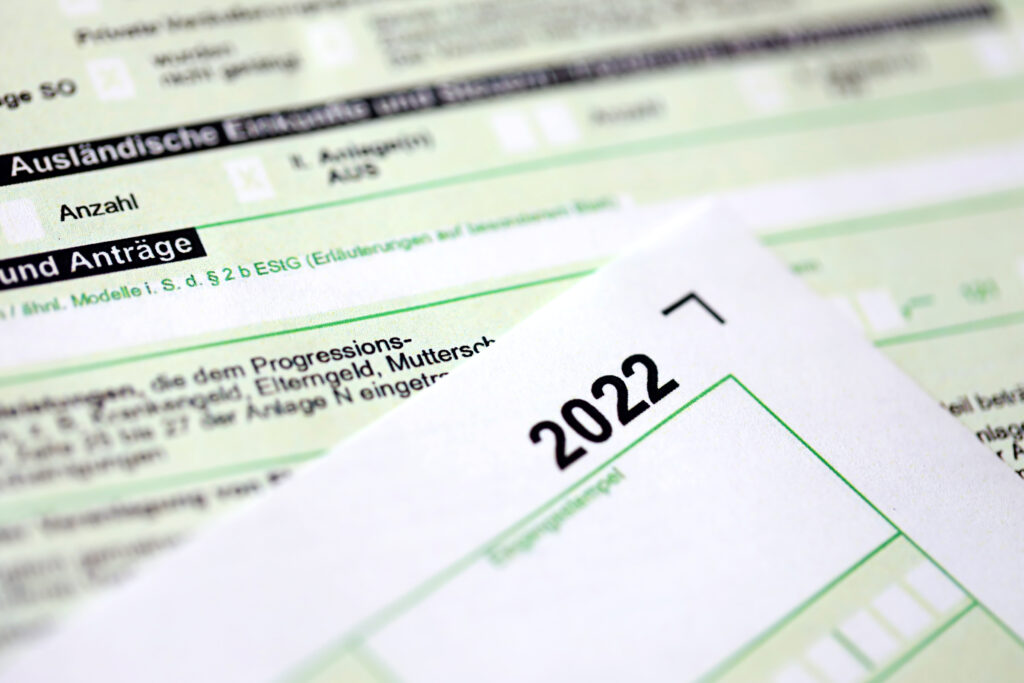
Tax filings help verify your financial history and reported income.

Providing accurate tax documents can help avoid delays during the application process.

Common tax documents include:

  • Personal tax returns
  • Business tax returns if applicable
  • Quarterly tax filings if available

Business Formation Documents

If your business is already registered, lenders may request proof of formation.

These documents prove that your business is legally set up and working properly.

Common business documents are:

  • Articles of Incorporation or Organization
  • Business license
  • EIN verification
  • Operating agreement if applicable

Debt and Liability Information

Lenders review your existing debt obligations to understand your current financial commitments.

They use this to check your overall financial situation before they approve more funding.

Be prepared to provide:

  • Existing loan information
  • Credit card balances
  • Monthly debt obligations
  • Current payment status on active accounts

Proof of Business Activity

Lenders may request proof that your business is active and operating.

This proves that your business is real and currently active.

Examples include:

  • Invoices
  • Client contracts
  • Sales records
  • Accounts receivable reports

Keep Your Information Consistent

Inconsistencies are one of the most common reasons applications get delayed.

Make sure your:

  • Name
  • Address
  • Income figures
  • Business information

match across all documents and applications.

Organize Documents Before Applying

Preparing documents ahead of time can make the process faster and less stressful.

Having everything ready also helps avoid delays during review.

Helpful tips:

  • Store documents in one organized folder
  • Use updated copies only
  • Review files for missing pages
  • Make sure uploads are clear and readable

Common Mistakes to Avoid

Many applications have problems because the documents are incomplete or do not match.

Avoid these common mistakes:

  • Ignoring your credit profile
  • Mixing personal and business finances
  • Submitting outdated documents
  • Uploading blurry or incomplete files
  • Waiting until the last minute to organize paperwork

Preparing for Startup Loan Applications

Applying for a startup loan requires preparation and organization.

When your documents are accurate, complete, and easy to review, the process becomes much smoother.

If you keep your financial records organized and your information consistent, you show that you are prepared and reliable.

Share this post

Related Posts