




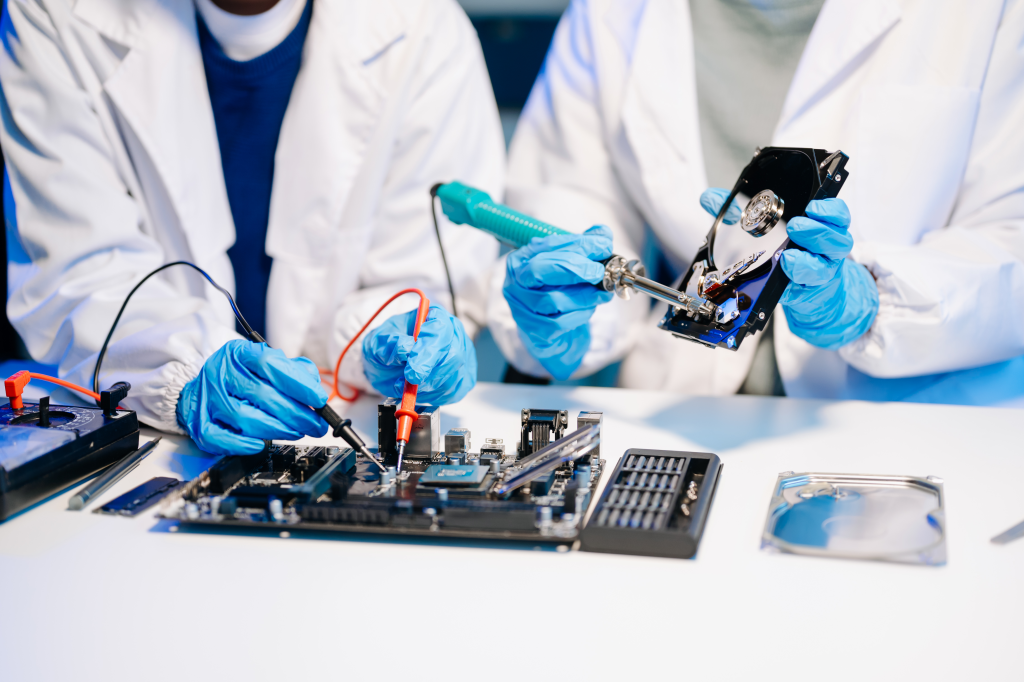


Equipment can play an important role in starting or growing a business.
A contractor may need specialized tools or machinery. A restaurant may need commercial kitchen equipment. A manufacturer may need production machinery. Even an office-based company may need computers, servers, or other technology.
For many businesses, these purchases can require a significant amount of capital.
That is why it is important to look beyond the equipment’s price tag when considering startup funding. The right question is not simply, “How much does this equipment cost?”
It is also important to ask whether the equipment makes sense for the business, how it will affect operations, and whether the financing fits the company’s broader financial plan.
Start by identifying the specific business need the equipment will address.
Perhaps the business cannot take on more customers because of limited production capacity. Maybe existing equipment is outdated, inefficient, or no longer adequate for the work being performed.
In other cases, equipment may be necessary to launch the business in the first place.
Understanding the reason for the purchase can help you determine whether the investment supports an important business objective.
For example, purchasing a machine that allows a company to complete more jobs may have a different financial impact than purchasing equipment that provides only a minor convenience.
The purpose should be clear before you consider how to finance the purchase.
The listed price of equipment is only one part of the total investment.
Depending on the equipment, additional expenses may include delivery, installation, setup, maintenance, repairs, insurance, training, software, or accessories.
Some equipment may also require a specific workspace or changes to an existing facility.
These costs can make a noticeable difference to the amount of capital the business needs.
Before moving forward, estimate the full cost of putting the equipment into operation. This gives you a more complete picture than looking at the purchase price alone.
New equipment is not always the only option.
Depending on the business and the type of equipment, used or refurbished equipment may provide another way to manage the initial investment.
However, the lower purchase price should be evaluated alongside the equipment’s condition, age, remaining useful life, warranty, maintenance requirements, and expected reliability.
New equipment may come with updated features or warranties, while used equipment may have a lower upfront cost.
There is no universally better choice.
The right option depends on what the business needs and how the equipment will be used.
Consider how long the equipment is expected to remain useful.
An expensive piece of equipment may make more sense when it is expected to serve the business reliably for many years. On the other hand, paying a premium for equipment that could become outdated quickly may require more careful consideration.
Think about the equipment’s expected lifespan and how that compares with the financing period being considered.
Ideally, the business should avoid creating a financial obligation that extends significantly beyond the period in which the equipment is expected to provide meaningful value.
The specific terms of any funding should always be reviewed carefully before making a decision.
Equipment can sometimes do more than support existing operations. It may also create opportunities for additional revenue.
For example, a business may be able to accept more customers, complete jobs faster, expand its services, or increase production after purchasing the right equipment.
Consider how the equipment could affect the business financially.
This does not mean assuming that the equipment will automatically produce additional revenue. Instead, look at the realistic business opportunities it may create.
Ask whether there is existing customer demand, whether additional capacity is actually needed, and whether the business has the staff and resources to use the equipment effectively.
A major equipment purchase can affect more than the company’s balance sheet.
It can also affect day-to-day cash flow.
If a business uses a large portion of its available cash to purchase equipment, it may have less money available for other operating needs.
On the other hand, financing the purchase creates an ongoing payment that needs to fit within the business’s financial plan.
This makes cash flow an important consideration.
Review expected revenue and regular operating expenses before taking on a new financial obligation. Consider whether the business can reasonably manage the payments while continuing to cover its other expenses.
A purchase can be valuable and still create financial pressure if the overall cash flow impact is not considered.
Before deciding how much funding may be needed, compare the equipment itself.
Different manufacturers and models may offer different capabilities, warranties, maintenance requirements, and operating costs.
Look at what the business actually needs rather than automatically choosing the most advanced option.
For example, equipment with additional features may be attractive, but those features may not provide enough value to justify the additional cost.
At the same time, choosing equipment that is too small or limited may create another problem if the business quickly outgrows it.
The goal is to find a reasonable balance between current needs, expected demand, and future plans.
Once you know what equipment you need and how much it will cost, you can begin evaluating potential funding options.
Different forms of financing can have different rates, fees, repayment periods, payment structures, and requirements.
The amount of funding available is only one factor to consider.
Look at the total cost of financing and how the repayment schedule fits with the equipment’s expected useful life and the business’s projected cash flow.
For example, a lower monthly payment may result from a longer repayment period, but that does not necessarily mean the financing will have the lowest overall cost.
Review the complete terms before deciding whether a funding option fits your business.
It can be tempting to request additional capital simply because more funding is available.
However, equipment financing should have a clear purpose.
Start with the actual cost of the equipment and related expenses. Then consider whether additional capital is needed for other legitimate business requirements.
Taking on more debt than necessary can increase the company’s financial obligations.
A clearly defined equipment budget can help keep the funding request connected to the actual business need.
Your current equipment needs may not be the same as your needs several years from now.
If you expect the business to grow, consider whether the equipment can support that growth.
However, future growth should not be used as a reason to purchase more equipment than the business can reasonably justify today.
Instead, consider how the equipment fits into your expected business development.
The best choice may be equipment that meets current needs while providing enough flexibility to accommodate reasonable growth.
Before seeking funding, put your equipment-related costs into a simple budget.
Include the purchase price along with relevant expenses such as delivery, installation, setup, training, maintenance, and other necessary costs.
Then consider how the purchase fits into the business’s broader financial picture.
This process can help you determine the actual amount of capital required and make it easier to explain why the equipment is important to the business.
It also gives you a reference point when comparing potential funding options.
Equipment can be an important investment for a startup or growing business, but the decision should involve more than finding a piece of equipment and securing the money to purchase it.
Consider why the equipment is needed, its total cost, expected useful life, maintenance requirements, and potential impact on business operations.
Then evaluate how the purchase and any related financing could affect cash flow.
Most importantly, make sure the equipment supports a clear business need.
When you understand both the equipment investment and the funding required to support it, you can make a more informed decision about whether the purchase fits your business plans.
Written by Jimy Delgado, from Startup Loans USA
Startup Loans USA helps clients find unsecured funding options for business startups, franchise purchases, home improvements, personal needs, and debt consolidation. Our team focuses on creating a simple, personalized funding experience designed to help you move forward with confidence.
Read our client testimonials or explore your funding options today.


Subscribe for our monthly newsletter to stay updated.

Considering startup funding for equipment? Learn how to evaluate equipment costs, cash flow, financing options, useful life, and the potential impact on your business before making a purchase.

Before seeking startup funding, learn how to estimate one-time expenses, ongoing operating costs, and working capital needs so you can create a more realistic funding plan for your business.

Personal guarantees can be an important part of some startup business loans. Learn what they mean, how they differ from collateral, and what entrepreneurs should consider before accepting funding.